
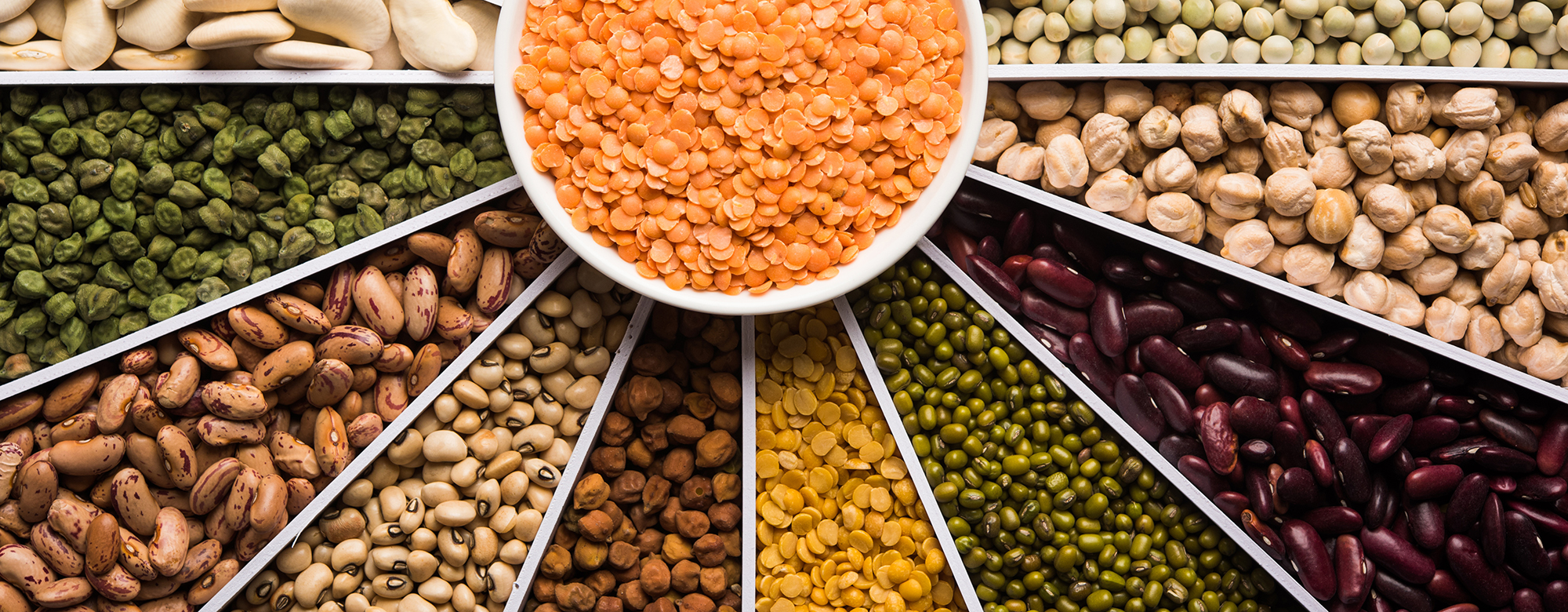
Pulses, including dry beans, dry peas, lentils, and chickpeas, are one of the original sources of protein and remain a vital part of our diets today. Recently, they earned a spot in the latest Dietary Guidelines for Americans (DGA), which now recommends at least one serving of pulses daily to help meet updated protein intake goals. As interest in whole, fiber-rich, high-protein foods continues to grow, pulses are gaining attention for their nutritional benefits and role in supporting balanced diets.
To highlight their growing importance, USA Pulses hosted a webinar exploring why pulses should be a staple in our daily diets. Moderated by nutrition expert Milton Stokes, the webinar featured Dr. Ewa Pietrysiak and Samina Kalloo, RDN, CDN, discussing how pulses are not only an affordable and versatile superfood but also a key player in promoting health and agricultural resilience.
Discover why pulses are the “nutrition multitaskers” your diet needs. Watch the full webinar or read on for more insights.

Pulses are incredibly nutritious and delicious
Pulses are the ideal add-on to any meal, delivering an impressive nutritional punch in just a small serving. Dr. Ewa Pietrysiak, Food Scientist and Director of Marketing and Innovation at USA Pulses, highlighted their impressive benefits.
- A half-cup serving of pulses contains roughly 7-9 grams of protein, essential for muscle health.
- The same half-cup also provides 6-8 grams of fiber, aiding digestion and promoting feelings of fullness, or satiety, throughout the day.
- The fiber in pulses supports gut bacteria, boosting GLP-1 production, and regulating hunger signals.
- Pulses are low in calories, and packed with essential vitamins and minerals like folate, potassium, magnesium, and iron.
Consuming pulses helps combat chronic disease
Prioritizing nutritious, whole food is essential to supporting the health and well-being of our communities. Nutrient-dense foods, like pulses, are essential in combatting chronic diseases, which impact more than 129 million people across the US.
- Pulses help lower systolic blood pressure, reduce triglycerides, and improve total and LDL cholesterol levels, all which contribute to a reduced risk of heart disease and stroke.
- Eating pulses can help regulate blood sugar levels and support weight loss and maintenance.
- Pulses promote the production of short-chain fatty acids, which help reduce systemic inflammation, a key factor in many chronic conditions.
Pulses are great for American farmers and their land
Another superpower of pulses is how resilient they are. Pulse crops play an essential role in supporting farmers’ land for generations.
- Pulses have an exceptional ability to fix nitrogen in the soil, reducing the need for synthetic fertilizers, one of agriculture’s largest contributors to greenhouse gas emissions.
- Bacteria in pulse roots capture nitrogen from the air and convert it into natural fertilizer, enriching the soil and promoting resilient farming practices.
- Pulses help break disease cycles and introduce diverse microorganisms, making them valuable in crop rotations.