
A Visual Guide to Pulses
Pulses come in many different shapes and sizes. This guide covers the four most common types—dry peas, lentils, chickpeas, and dry beans—with pictures and descriptions to help you recognize them easily. Use it to find your favorites and discover new ways to add these protein- and fiber-packed powerhouses to your meals.
(Pisum Sativum)
Dry Peas
Dry peas are a type of pulse harvested as mature seeds from the pea plant and dried for long-term storage and use. Common varieties include yellow and green peas, available in whole or split forms. Dry peas have a mild, slightly earthy flavor and a soft texture when cooked, making them well-suited for soups, purees, and a variety of traditional and modern food applications.
They cook relatively quickly, especially in split form, and do not require soaking. Dry peas are widely used in both home cooking and food manufacturing due to their versatility, consistent quality, and functional properties.
As a pulse, dry peas are a nutrient-dense ingredient, providing plant-based protein, dietary fiber, and essential nutrients. They play an important role in healthy diets and are valued for their contribution to sustainable agricultural systems.
-
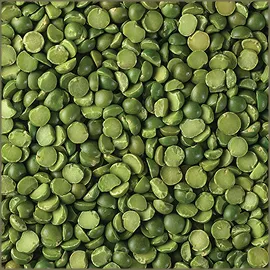
Green Peas (Split)
Common Names
Split Green Peas
-
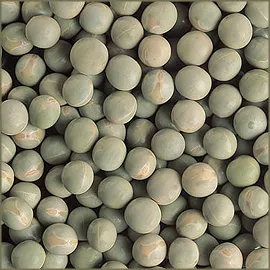
Green Peas (Whole)
Common Names
Dried Green Peas, Whole Dried Peas,
Green Vata/Matar -
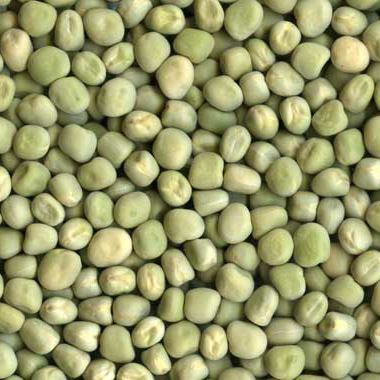
Marrowfat Peas
Common Names
Maro
-
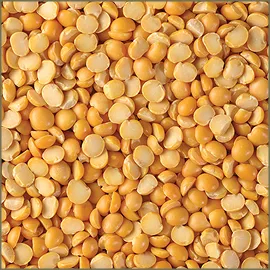
Yellow Peas (Split)
Common Names
Split Yellow Peas
-
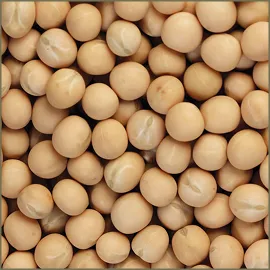
Yellow Peas (Whole)
Common Names
Yellow Field Peas, Whole Yellow Peas,
Yellow Vatana, Matar

(Lens Culinaris)
Lentils
Lentils are small, lens-shaped pulses that come in a variety of colors, including green, red, brown, and black. Known for their mild, earthy flavor and versatility, lentils are used in a wide range of culinary applications—from soups and stews to salads and side dishes.
Lentils cook relatively quickly and do not require pre-soaking, making them a convenient ingredient for both home cooks and food manufacturers. Different varieties offer varying textures, with some holding their shape when cooked and others softening to create smooth, hearty dishes.
As a pulse, lentils are a nutrient-dense food, providing plant-based protein, dietary fiber, and essential vitamins and minerals. They are widely valued for their role in supporting healthy diets and sustainable food systems.
-
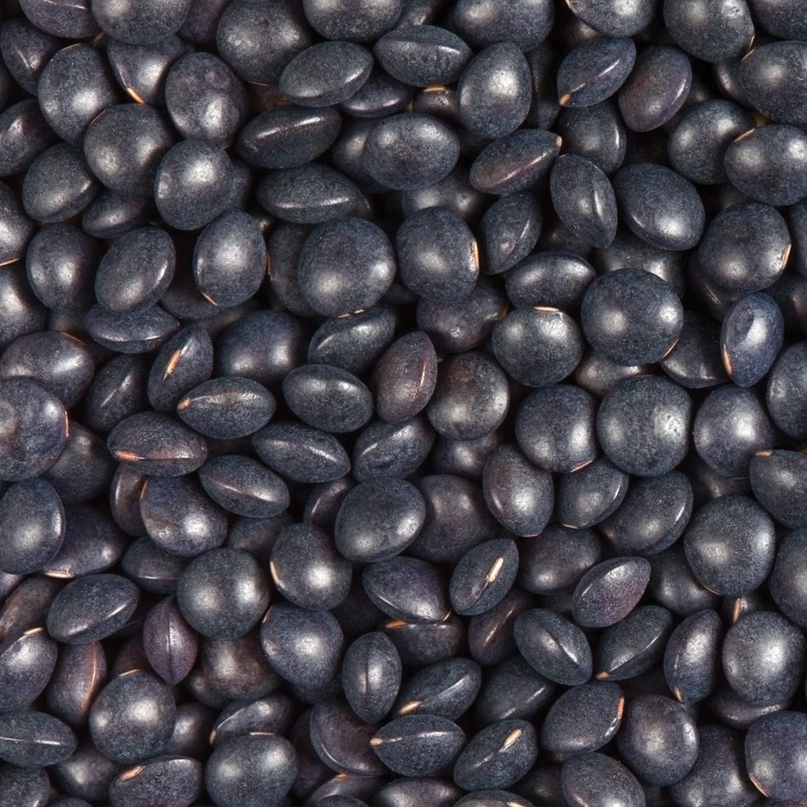
Beluga Lentils
Common Names
Black Lentils, Indianhead Lentils,
Lentilles noires, Beluga -
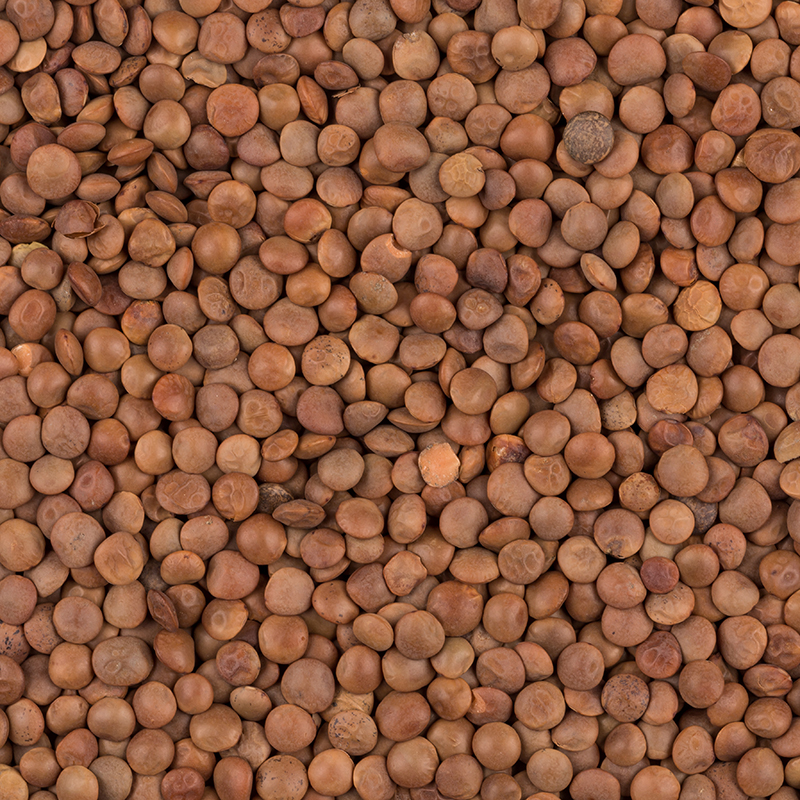
Brown Lentils
Common Names
Sabut Masoor
-
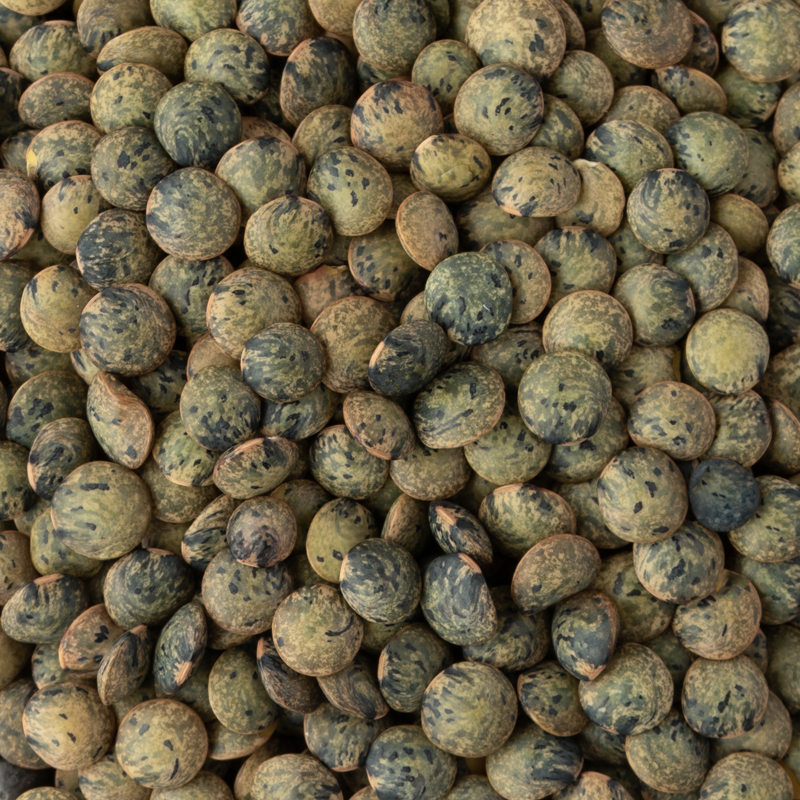
French Green Lentils
Common Names
Lentilles Vertes
-
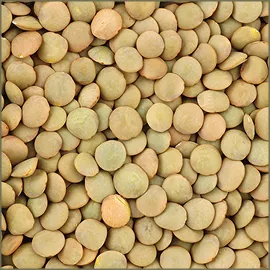
Green Lentils
Common Names
-
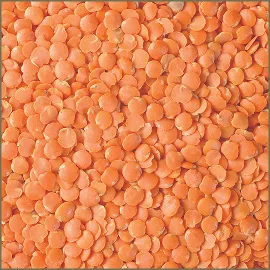
Red Lentils (Split)
Common Names
Masoor Dal
-
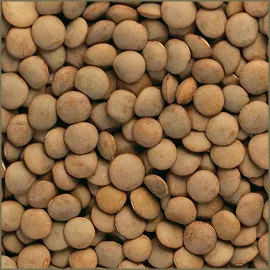
Red Lentils (Whole)
Common Names
Lentilles Corail
-
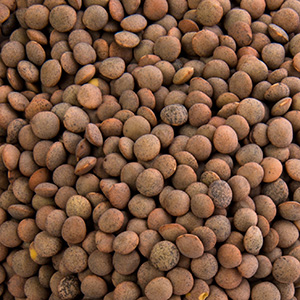
Pardina Lentils
Common Names
Spanish Brown Lenitils, Lenteja Pardina,
Brown Lentils, Small Brown Lentils
(Cicer Arietinum)
Chickpeas
Chickpeas, also known as garbanzo beans, are round, beige-colored pulses with a mild, nutty flavor and firm texture. They are widely used in a variety of culinary applications, including salads, soups, stews, spreads such as hummus, and roasted snack products.
Chickpeas are typically available in dried or canned forms and require soaking and cooking when used dry. Their ability to hold their shape and absorb flavors makes them a versatile ingredient in both traditional and modern cuisines.
As a pulse, chickpeas are a nutrient-dense food, providing plant-based protein, dietary fiber, and essential vitamins and minerals. They are valued for their role in supporting healthy diets and sustainable food systems.
-
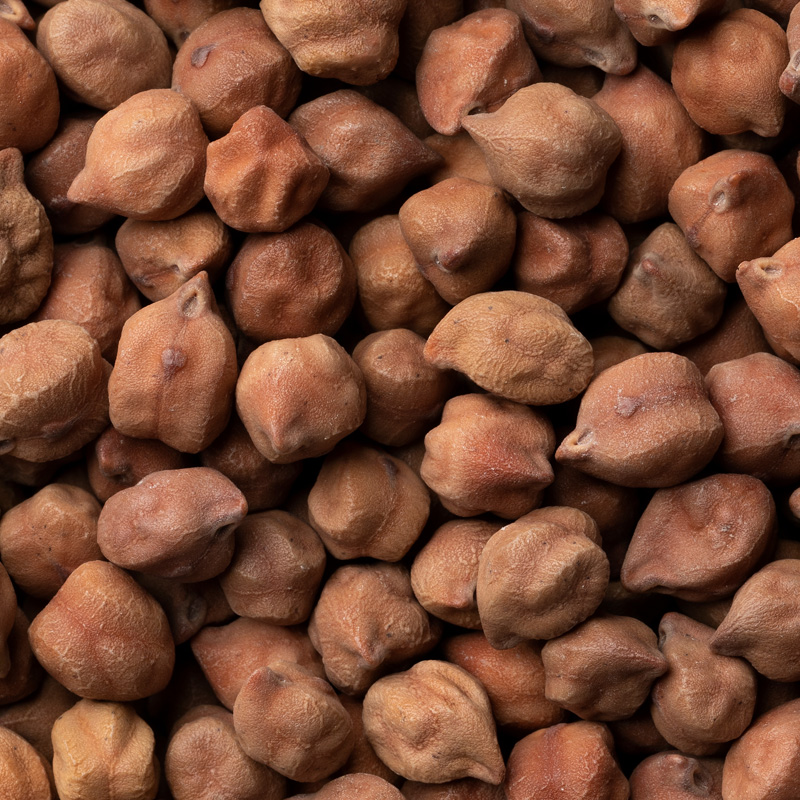
Chickpea, Desi
Common Names
Bengal Gram, Chana
-
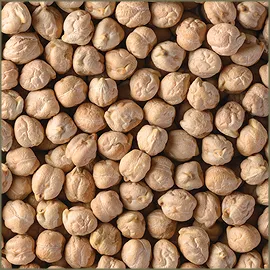
Chickpea, Kabuli
Common Names
Garbanzo Beans, Bengal Gram, Pois Chiche, Kabuli Chana
(Phaseolus Vulgaris)
Dry beans
Dry beans are edible seeds of legume plants that are harvested at full maturity and dried for storage and use. They come in a wide range of varieties, sizes, and colors, including black beans, pinto beans, kidney beans, navy beans, and others, each offering distinct flavors and textures.
Dry beans have a mild, earthy flavor and a firm texture that softens when cooked, making them suitable for a variety of dishes such as soups, stews, salads, and side dishes. Most dry beans require soaking and cooking prior to use, though cooking times and methods vary by variety.
As a pulse, dry beans are a nutrient-dense food, providing plant-based protein, dietary fiber, and essential vitamins and minerals. They are widely valued for their versatility, affordability, and role in supporting healthy diets and sustainable food systems.
-
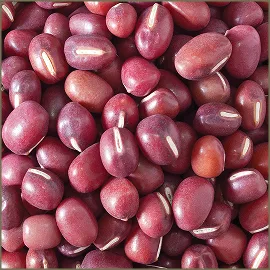
Adzuki Beans
Common Names
Red Mung Bean, Haricot Adzuki
-
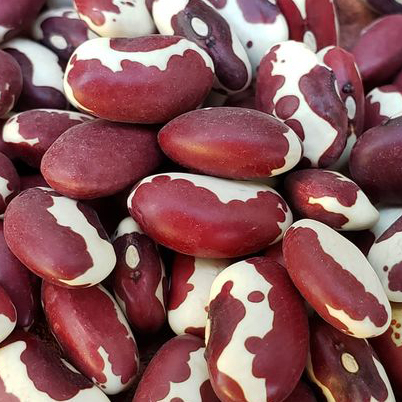
Anasazi Beans
Common Names
Aztec Bean, Cave Bean, New Mexico, Appaloosa Bean
-
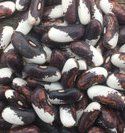
Appaloosa Beans
Common Names
-
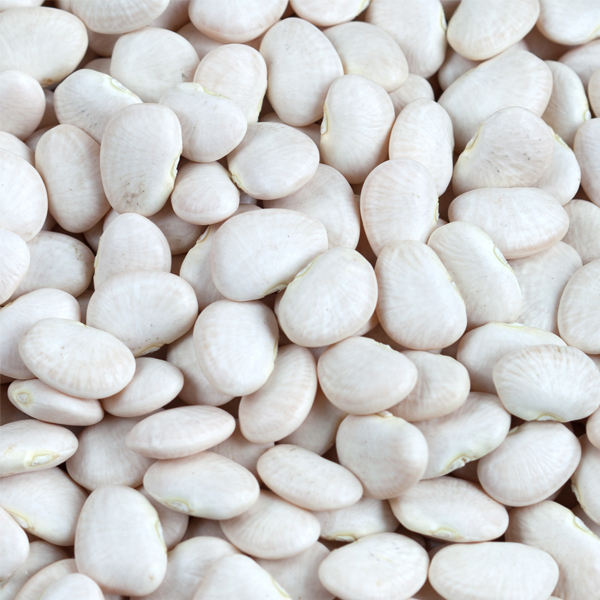
Baby Lima Beans
Common Names
Sieva Beans, Haricot Lima
-

Black Turtle Beans
Common Names
Caraotas Negras, Tampico Beans, Haricot Mungo à Grain Noir
-
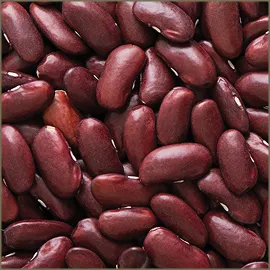
Dark Red Kidney Beans
Common Names
Rajma, Surkh Lobia
-
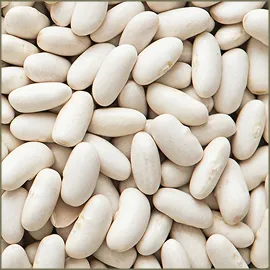
Great Northern Beans
Common Names
Large White Beans
-

Jacob's Cattle Trout Beans
Common Names
Large White Bean, Jacob’s Cattle Bean, Trout Beans, Coach Dog Bean, Dalmation Bean, Torellen Bean
-

Large Faba Beans
Common Names
Fava Beans, Field Beans, Horse Beans, Windsor Beans, Broad Beans
-
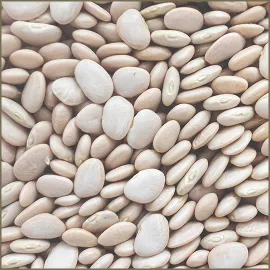
Large Lima Beans
Common Names
Butter Beans, Haricot Lima
-
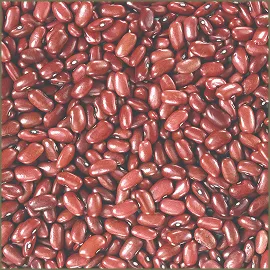
Light Red Kidney Beans
Common Names
Zaragoza, Rajma
-

Mung Beans
Common Names
Green Gram , Moong Beans, Mudga, Haricot Mungo
-
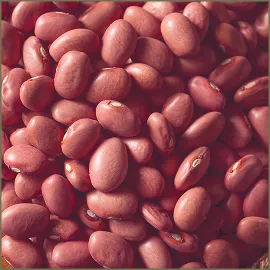
Pink Beans
Common Names
Habichuelas Rosadas, Coco Rose
-
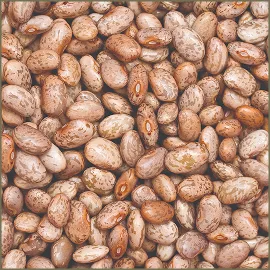
Pinto Beans
Common Names
Feijão Carioca , Poroto Frutilla, Frijol Pinto, Haricot Pinto
-
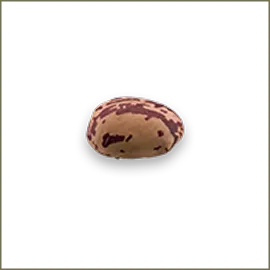
Romano Beans
Common Names
Borlotti/Borlotto, Cargamanto, Cranberry, Saluggia beans, Rosecoco, Haricot Romain, Haricot Marbré
-

Scarlet Runner Beans
Common Names
Runner Beans, Multiflora Beans, Haricot d’Espagne
-

Tongue of Fire
Common Names
Borlotto Lingua di Fuoco
-
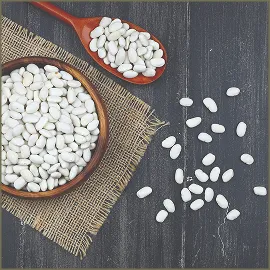
White Kidney Beans
Common Names
Alubia, Cannellini, Haricot Blanc, Lingot Mogette, Coco Flageolet
-
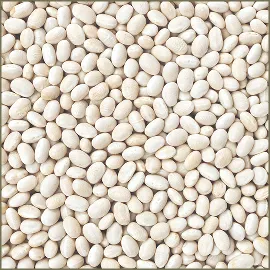
White Navy Beans
Common Names
White Pea Bean, Pea Bean, Pearl Haricot